English
Menu

AmenVerso

The Bible in art

Explore public-domain paintings, prints, miniatures and landscapes beside the biblical passage they evoke.
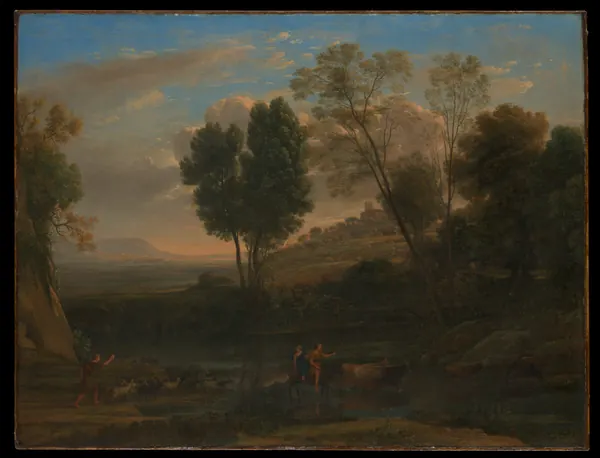
Sunrise — Claude Lorrain (Claude Gellée). The landscape presents dawn light spreading across water and figures beginning the day.

Biblical scenes

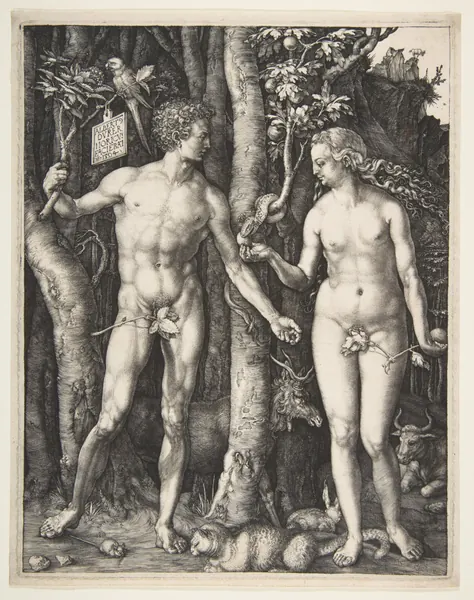
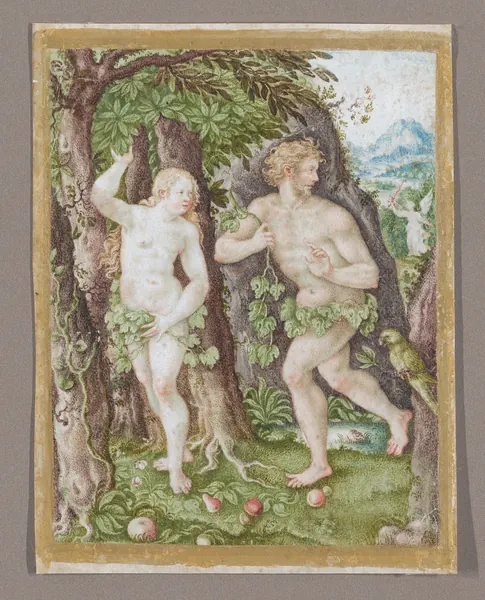
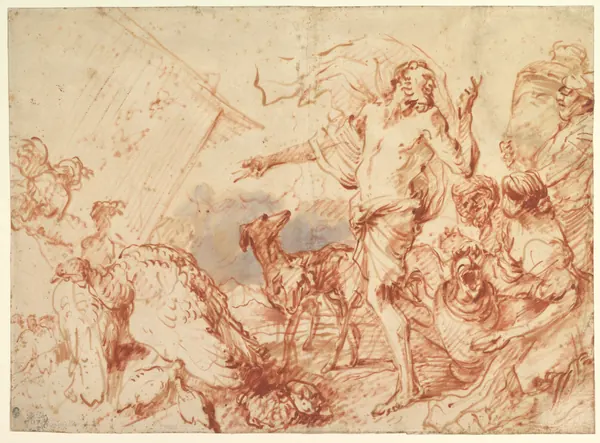
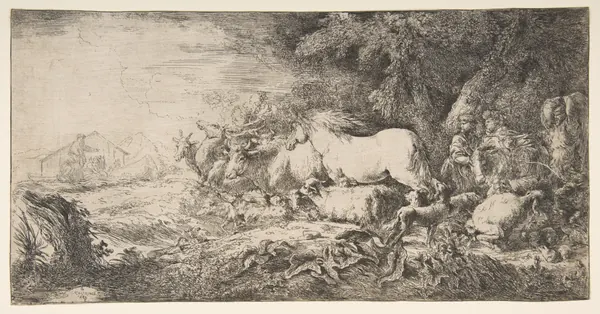
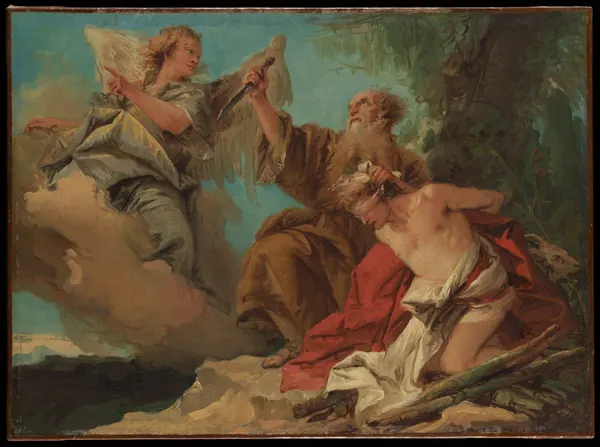
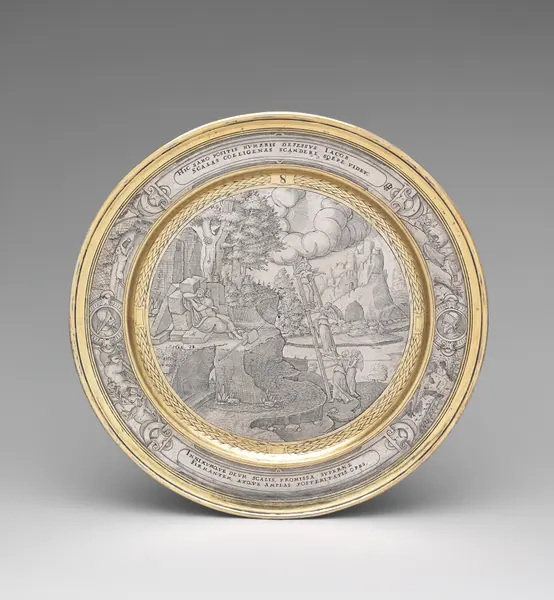
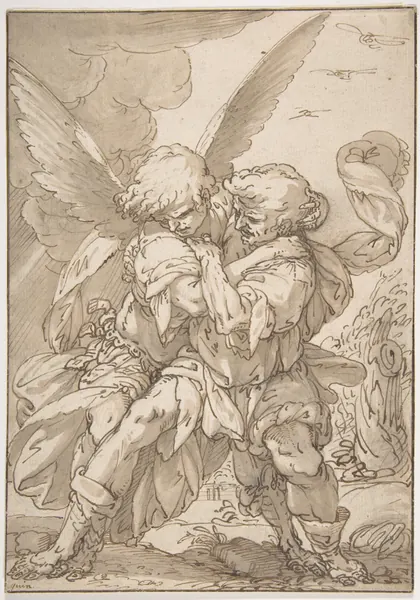
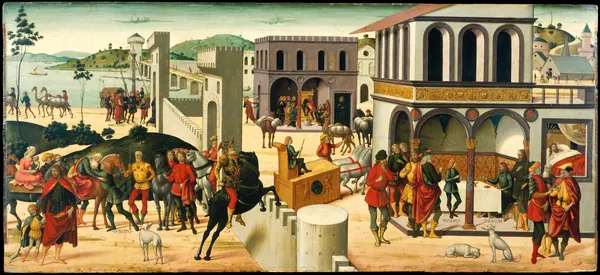
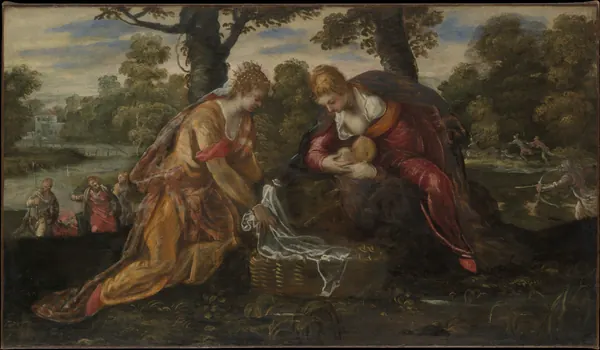
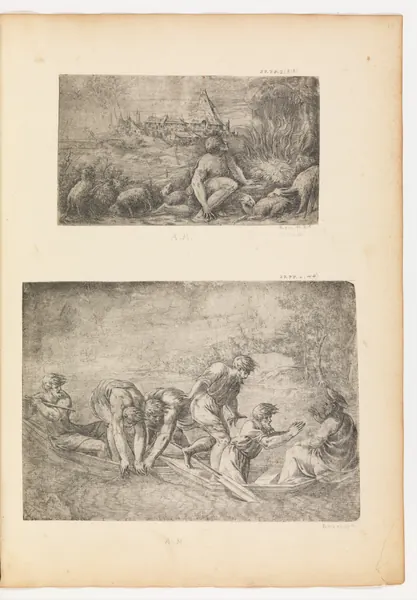
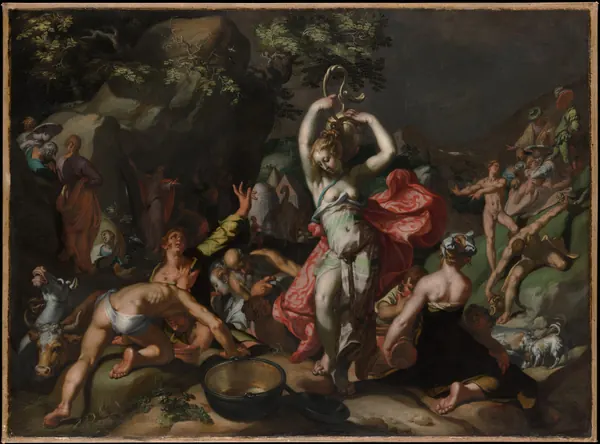
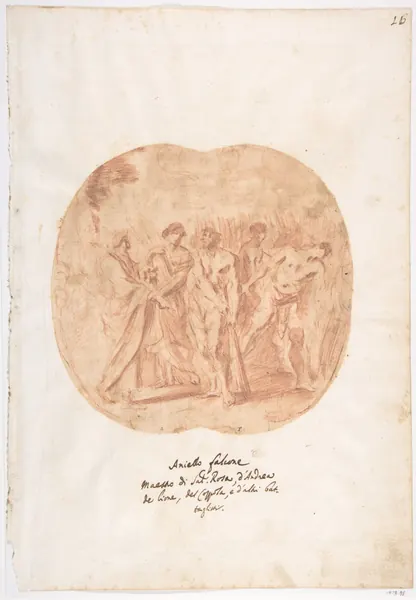
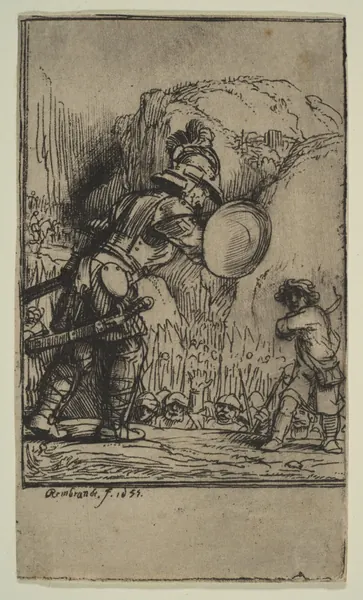
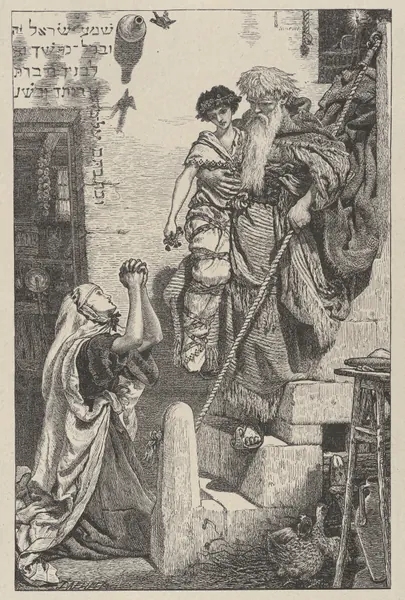
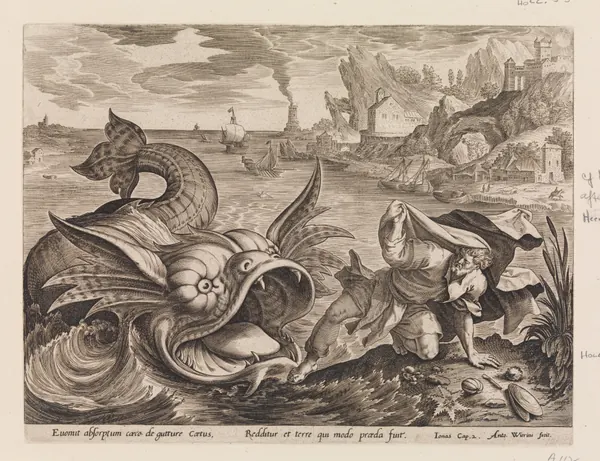
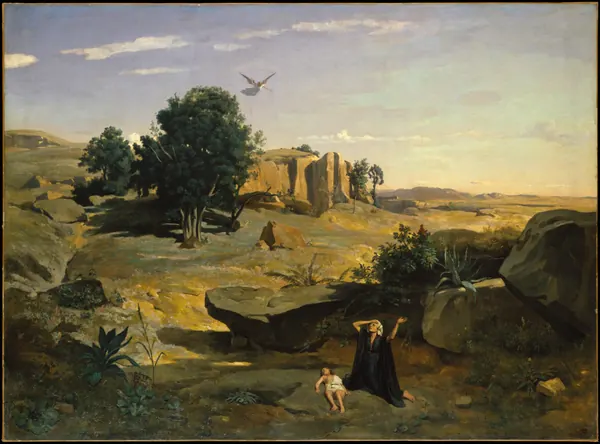
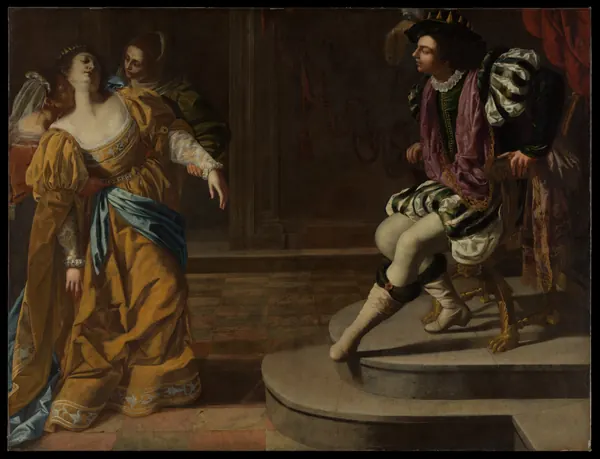
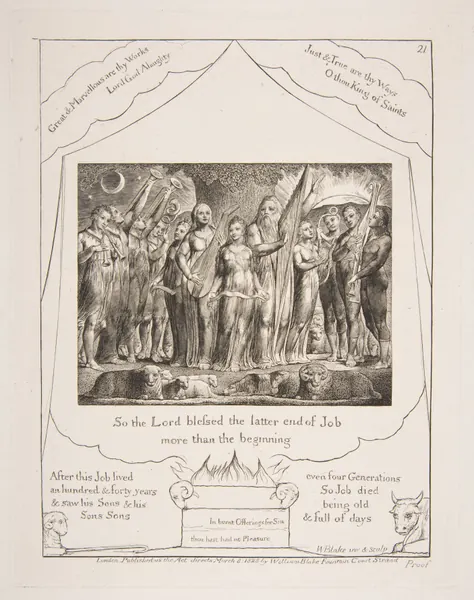
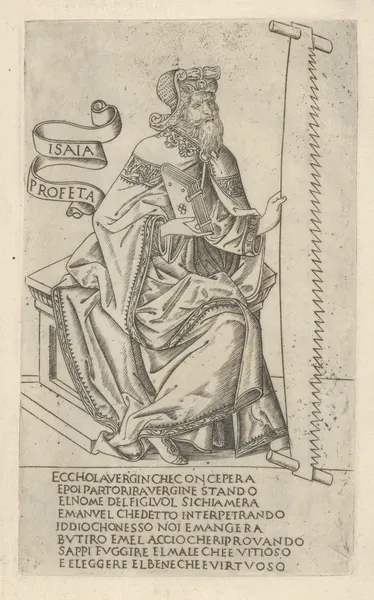
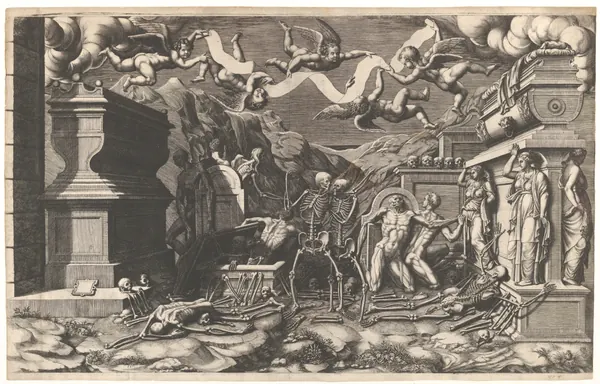
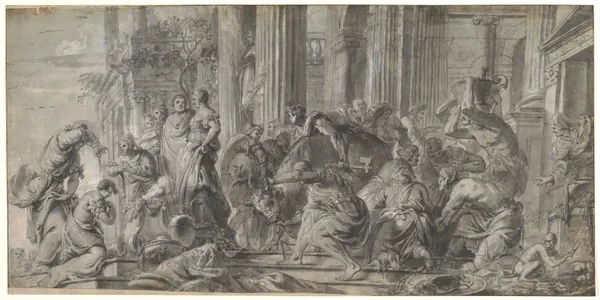
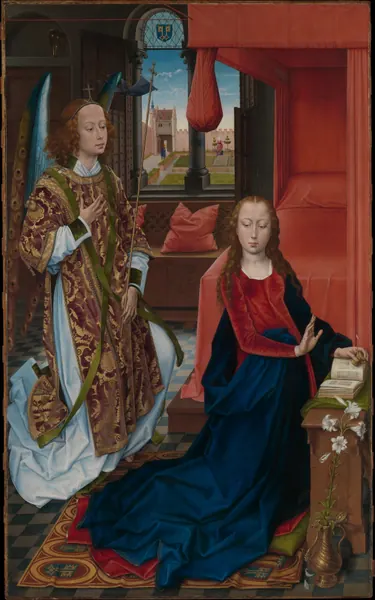
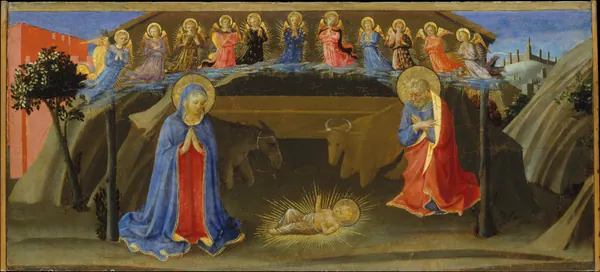
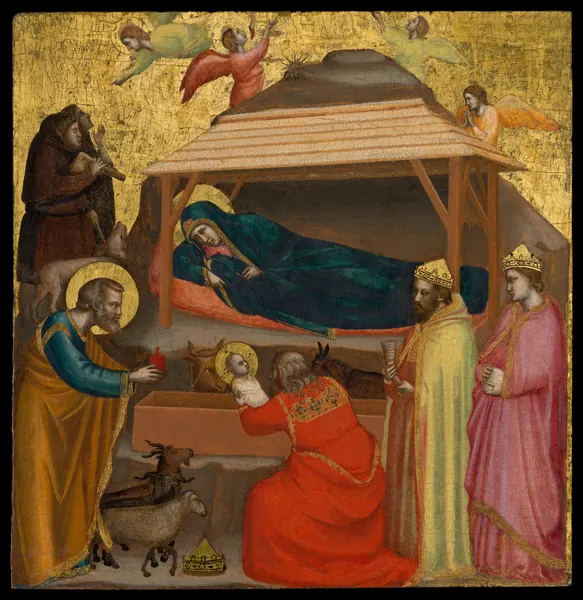
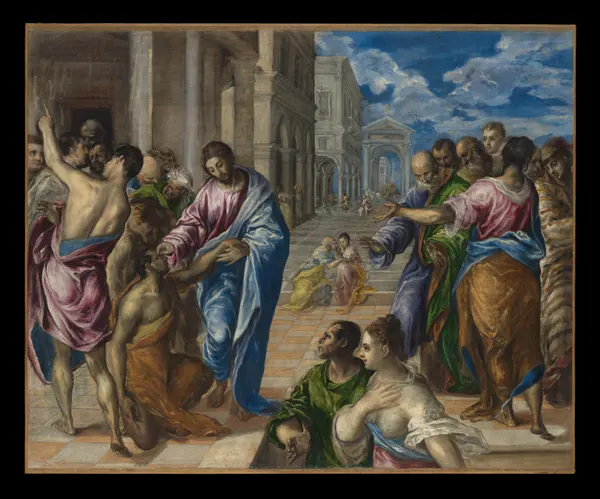
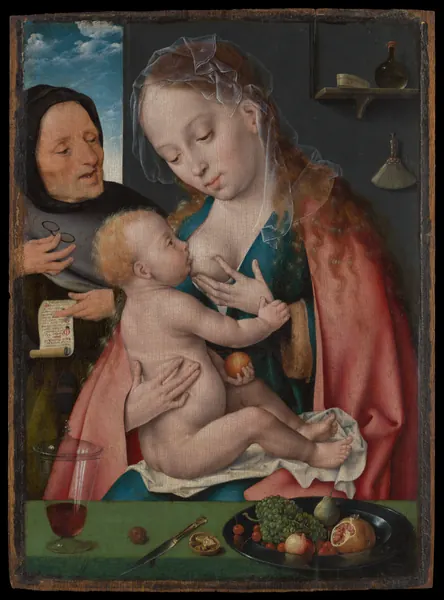
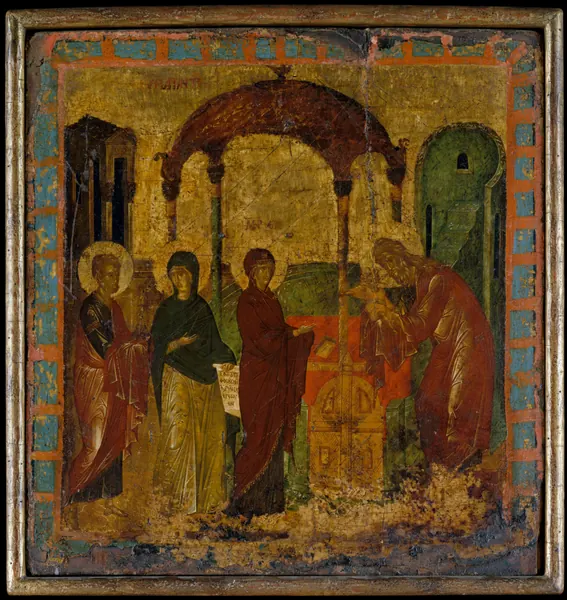
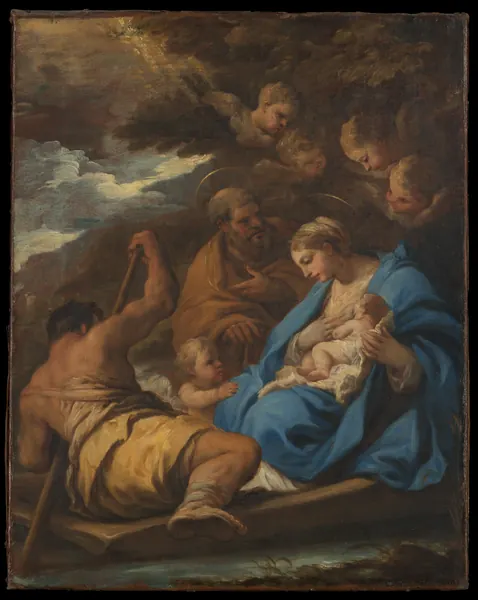
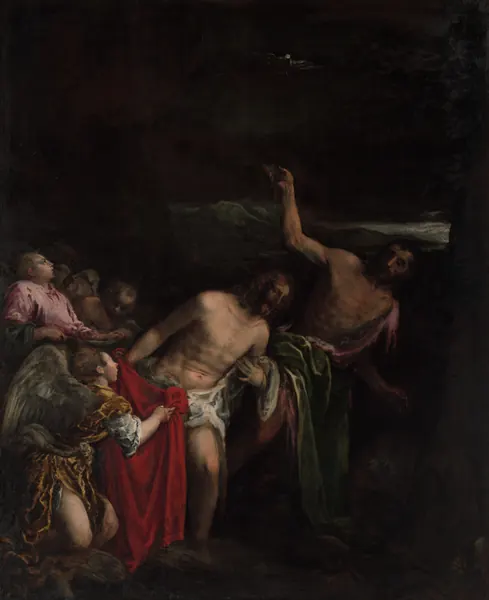
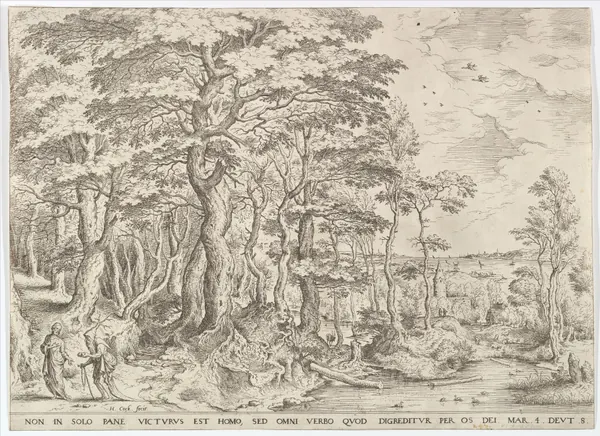
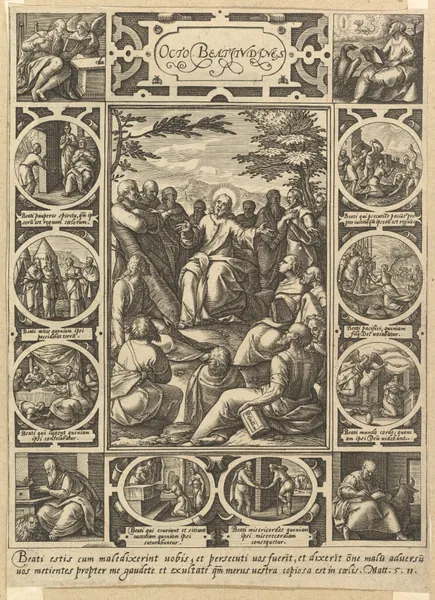
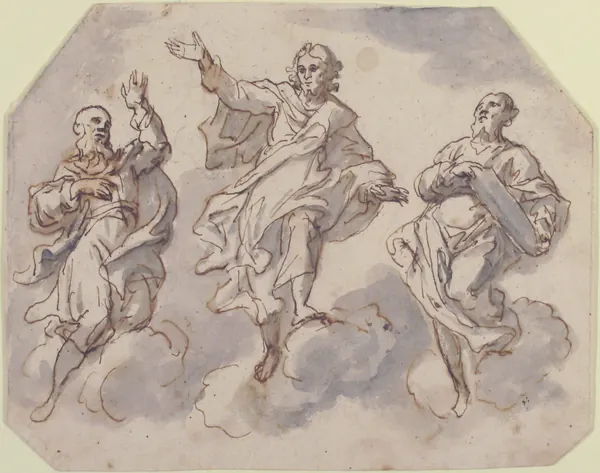
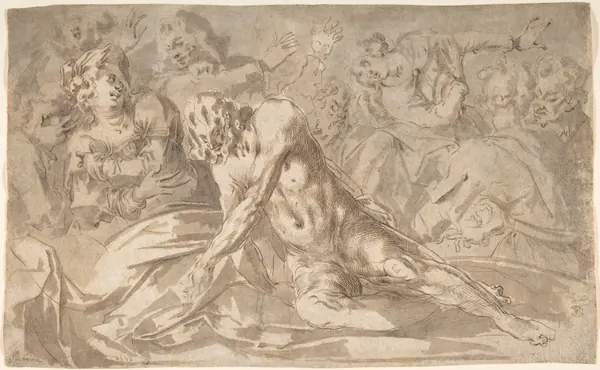
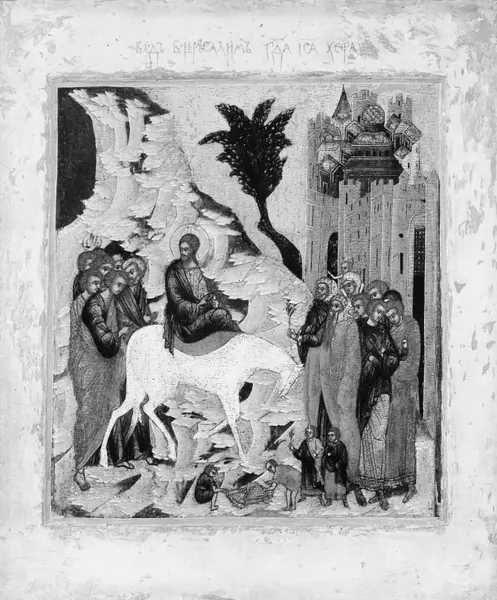
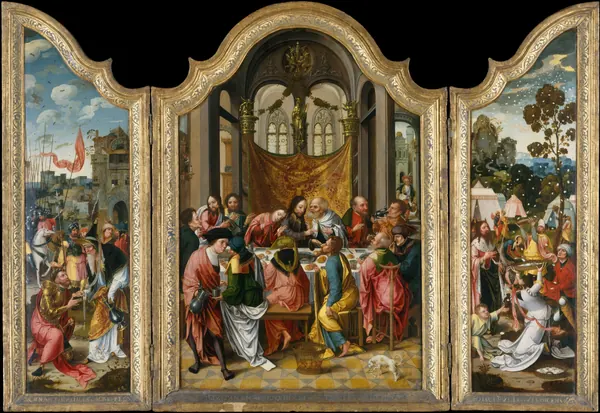
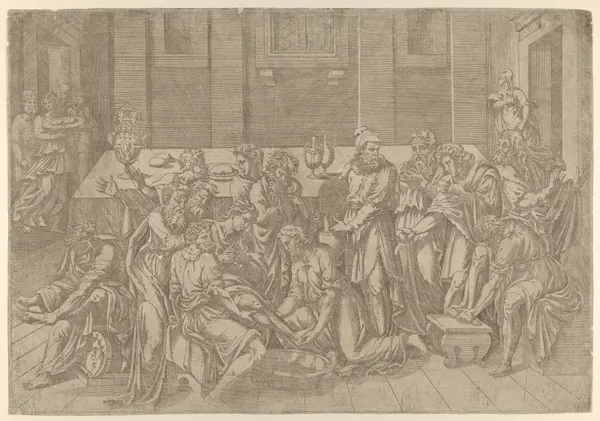
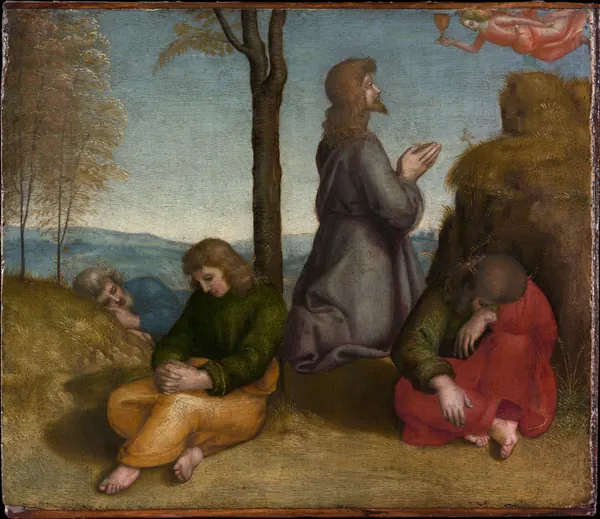
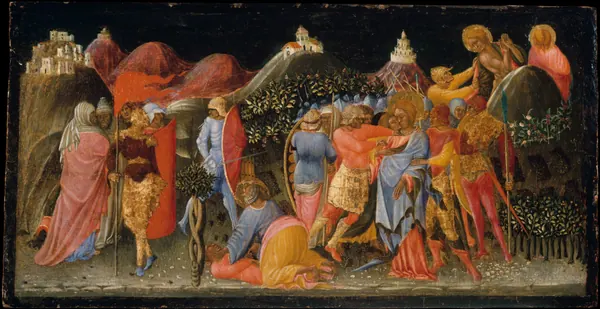
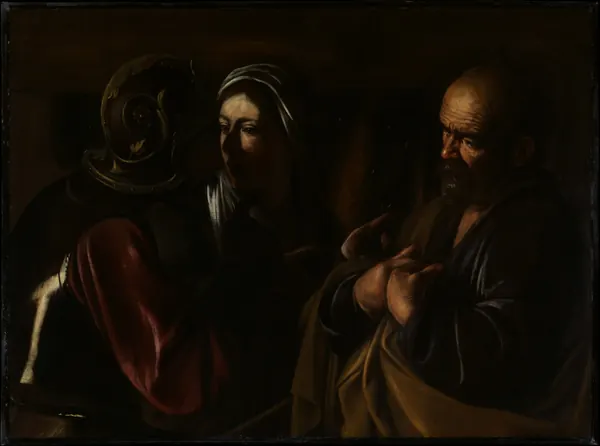
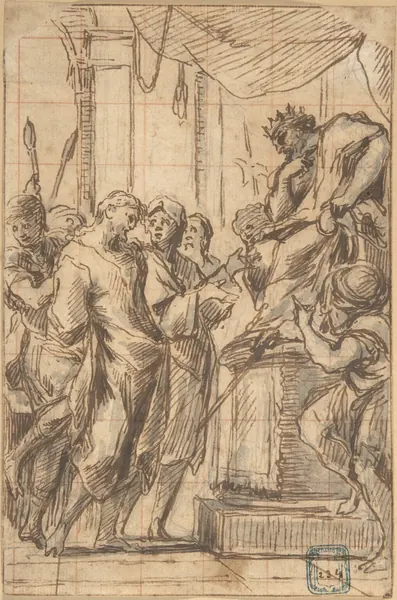
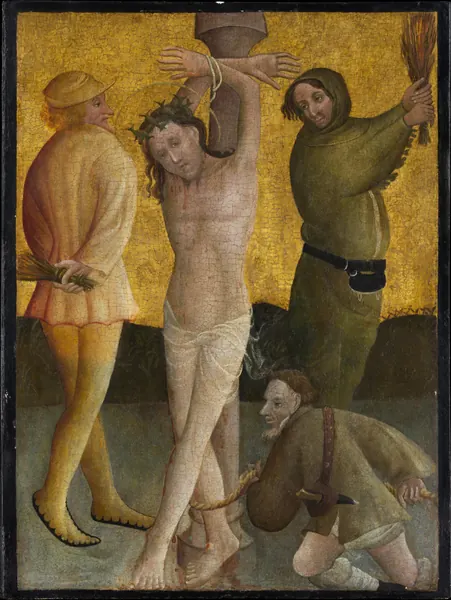
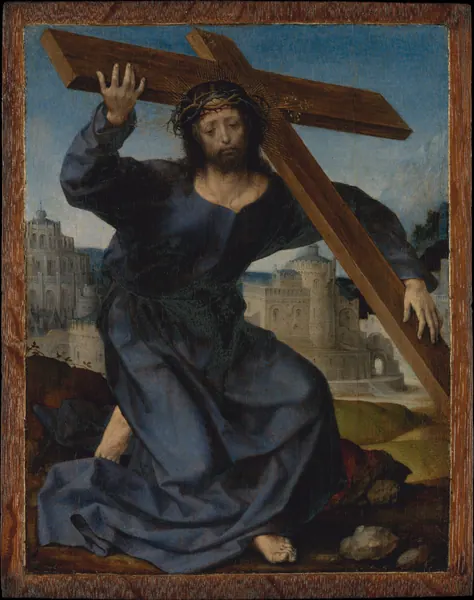
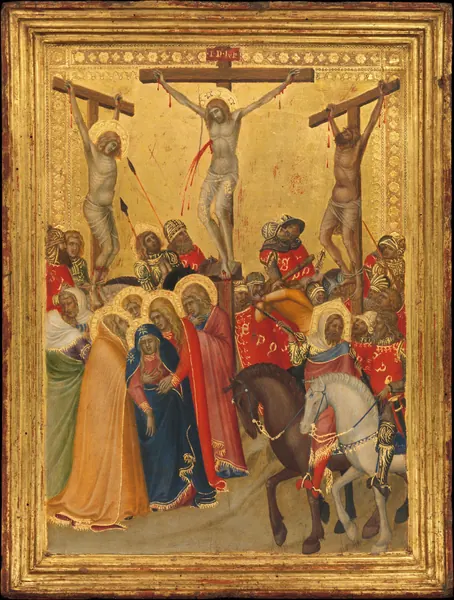
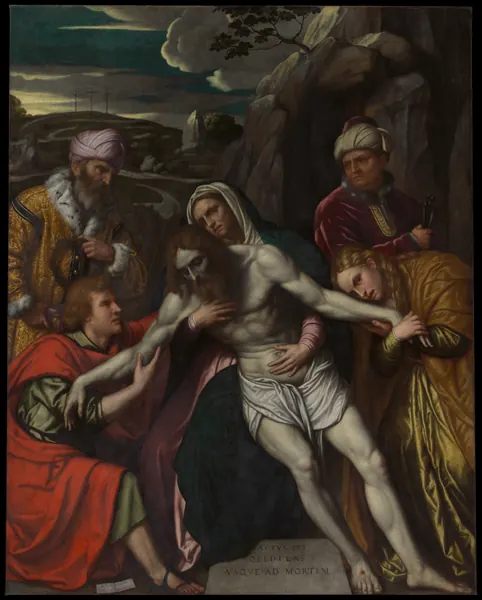
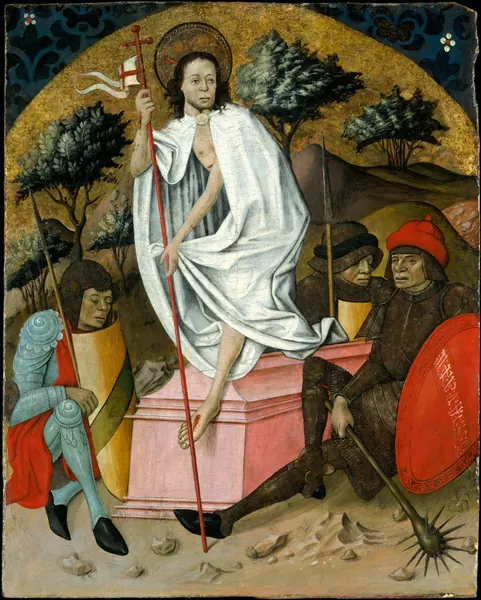
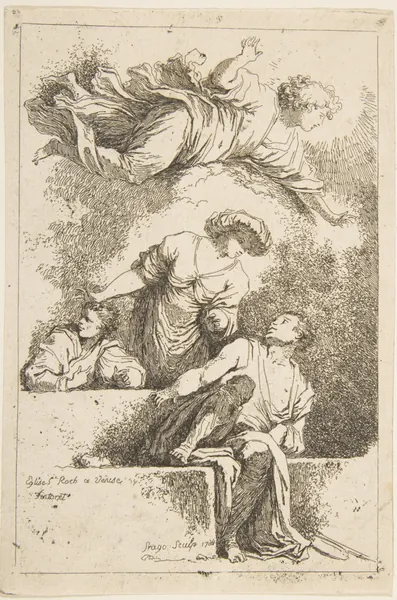
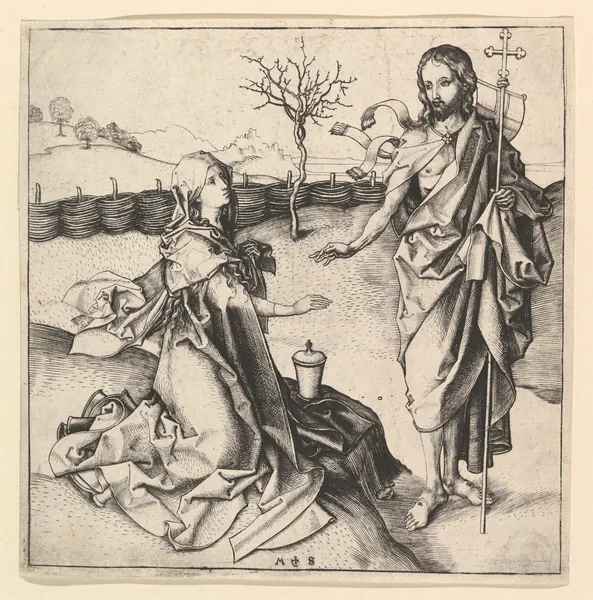
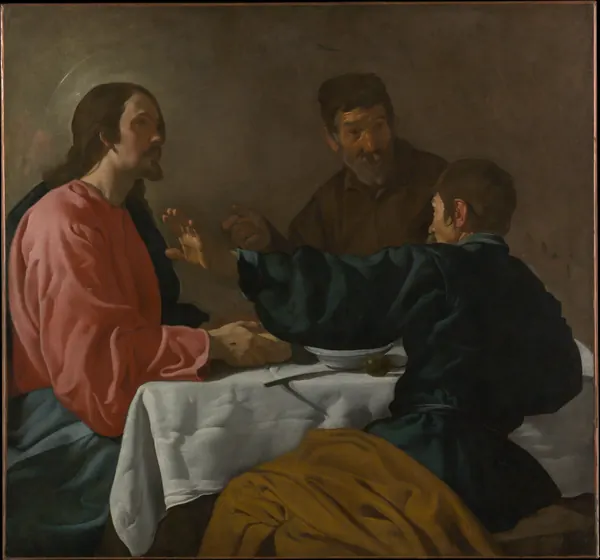
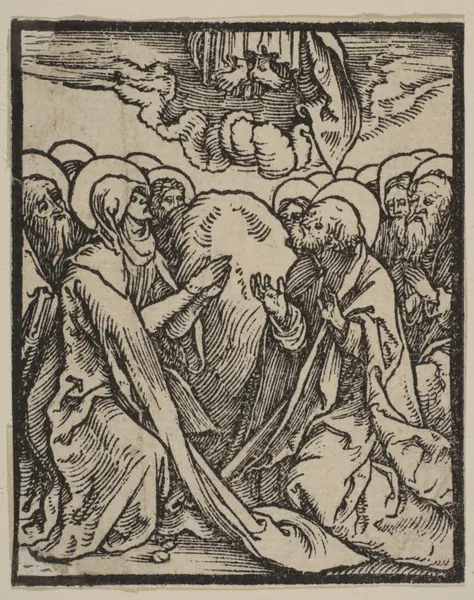
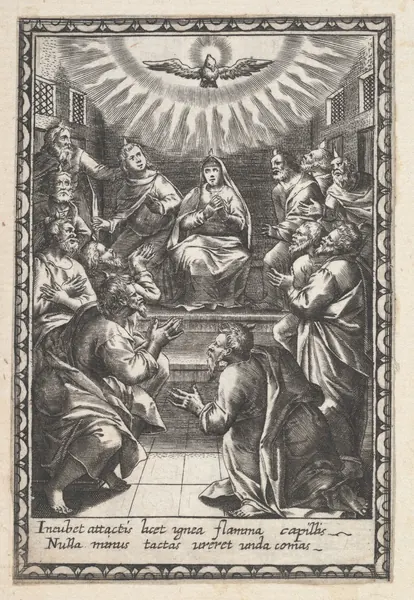
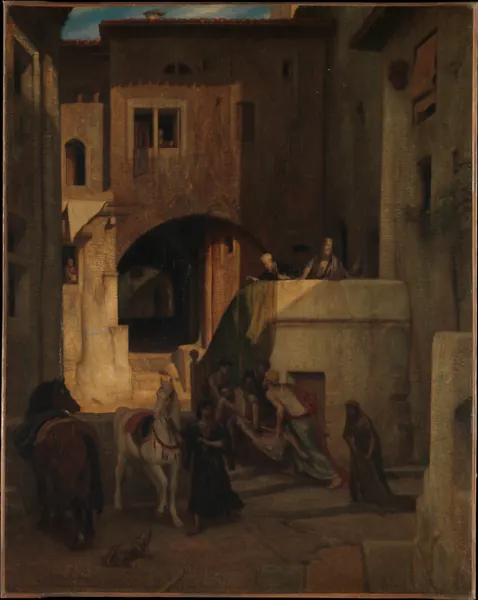
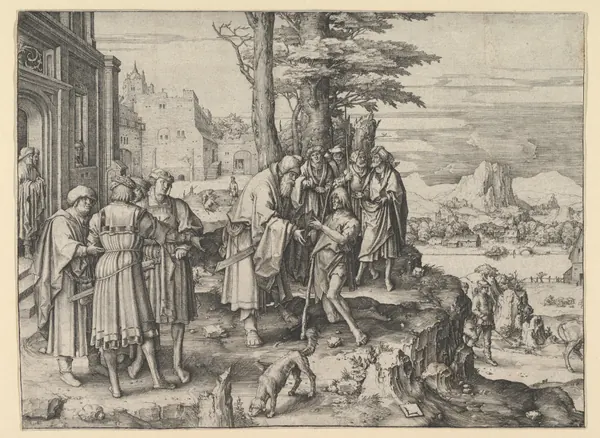
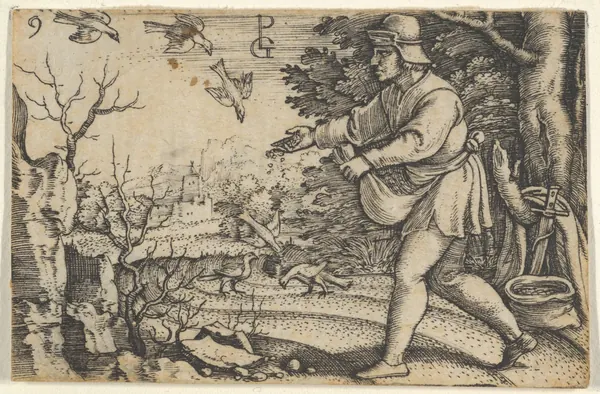
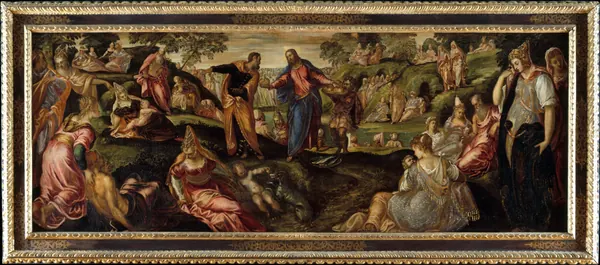
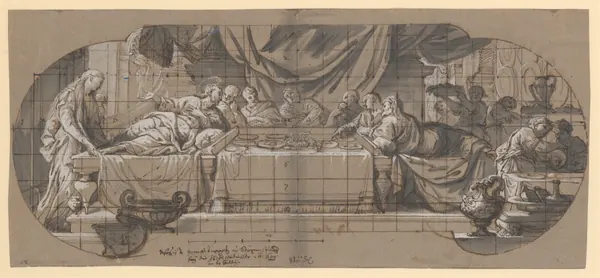
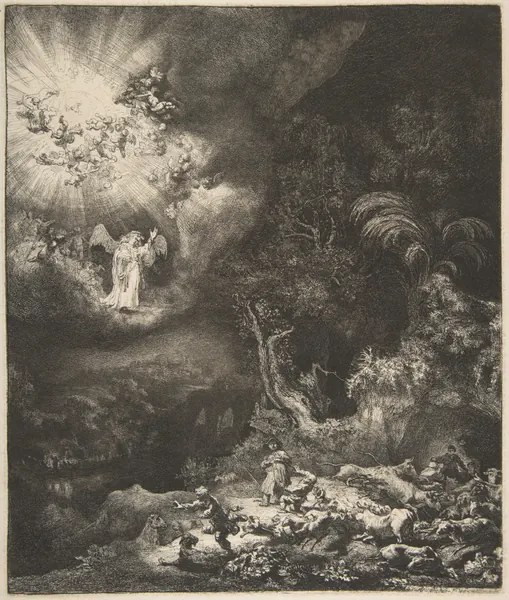
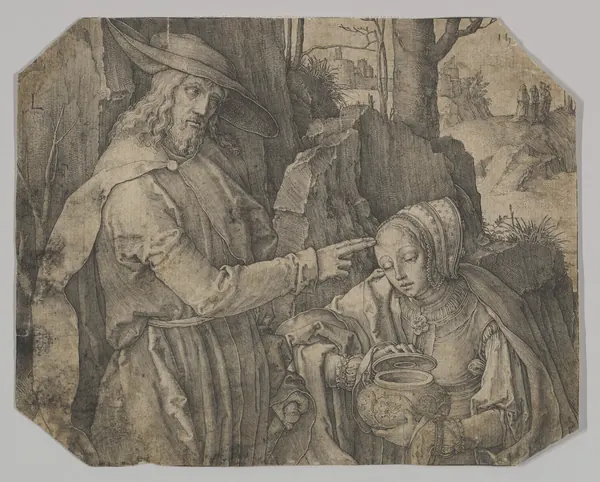
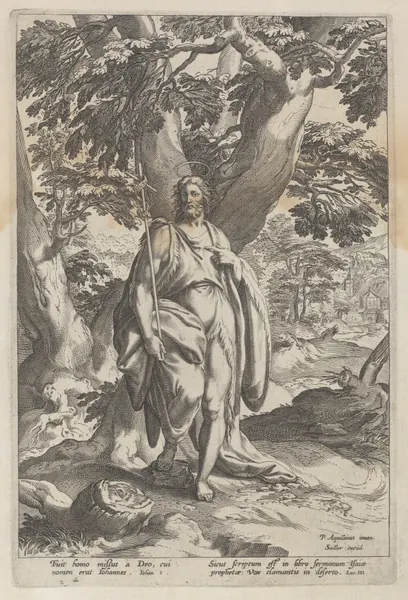
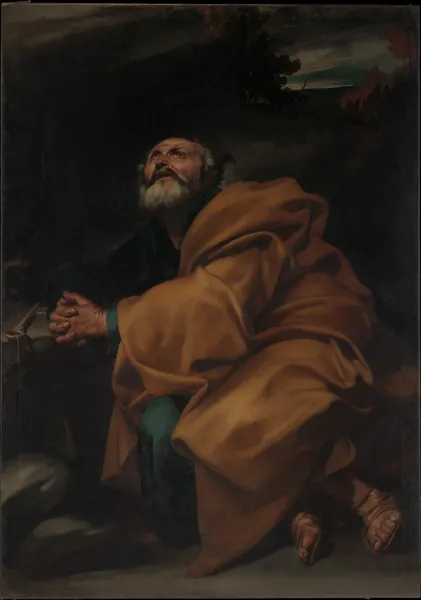
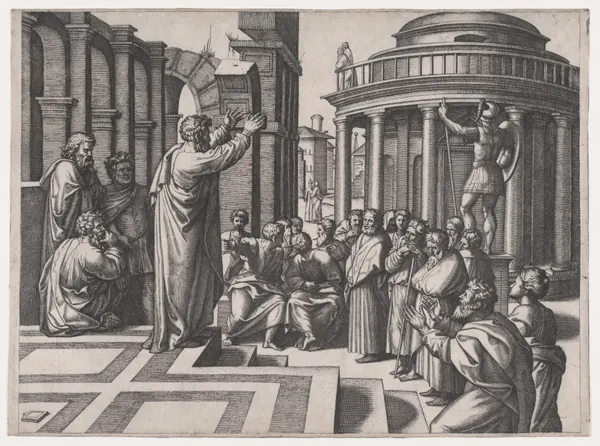
Adam and Eve — Albrecht Dürer. The work concentrates on the closeness of Adam and Eve within an ordered garden, where abundance also asks for faithful choice.Adam and EveAlbrecht Dürer · 1504The Expulsion from Paradise — Daniel Fröschl. In this scene, what matters is the moment when two figures leave the garden carrying both loss and promise.The Expulsion from ParadiseDaniel Fröschl · late 16th–early 17th centuryNoah Entering the Ark — Giovanni Benedetto Castiglione (Il Grechetto). The episode appears as Noah’s quiet obedience before a command that still has no visible evidence.Noah Entering the ArkGiovanni Benedetto Castiglione (Il Grechetto) · 1609–64Noah and the Animals Entering the Ark — Giovanni Benedetto Castiglione (Il Grechetto). The gaze rests on the ordered movement of the animals toward the ark, an image of care before the storm.Noah and the Animals Entering the ArkGiovanni Benedetto Castiglione (Il Grechetto) · ca. 1650–55The Sacrifice of Isaac — Giovanni Domenico Tiepolo. The work concentrates on the tension among Abraham’s hand, the child, and the intervention that halts the gesture.The Sacrifice of IsaacGiovanni Domenico Tiepolo · mid-1750sJacob’s Dream — P.M.. In this scene, what matters is the ladder joining earth and heaven while Jacob rests upon an unfamiliar stone.Jacob’s DreamP.M. · ca. 1567Jacob Wrestling with the Angel — Giulio Benso. The episode appears as a bodily struggle that turns the night into a contest of identity and blessing.Jacob Wrestling with the AngelGiulio Benso · 1601–68The Story of Joseph — Biagio d'Antonio. The gaze rests on episodes from Joseph’s story, where family resentment is gradually transformed into provision.The Story of JosephBiagio d'Antonio · 1476–1504The Finding of Moses — Jacopo Tintoretto (Jacopo Robusti). The work concentrates on the delicate moment when a child is lifted from the water and two worlds are joined.The Finding of MosesJacopo Tintoretto (Jacopo Robusti) · 1560s?Moses and the Burning Bush — Andrea Schiavone (Andrea Meldola). In this scene, what matters is the flame that does not consume the bush and makes Moses turn from his usual path.Moses and the Burning BushAndrea Schiavone (Andrea Meldola) · ca. 1544–48Moses Striking the Rock — Abraham Bloemaert. The episode appears as water rising from a dry rock while a weary community watches the provision.Moses Striking the RockAbraham Bloemaert · 1596Ruth and Boaz — Aniello Falcone. The gaze rests on the humble gesture of gathering grain and Boaz’s respectful response.Ruth and BoazAniello Falcone · 1607–56David and Goliath — Rembrandt (Rembrandt van Rijn). The work concentrates on the disproportion between a young shepherd and the giant challenging the people.David and GoliathRembrandt (Rembrandt van Rijn) · 1655Elijah and the Widow’s Son — Ford Madox Brown. In this scene, what matters is Elijah’s urgency beside the widow’s son and the prayer that crosses death.Elijah and the Widow’s SonFord Madox Brown · 1865–81Jonah Cast Ashore by the Fish — Maerten de Vos. The episode appears as Jonah’s body returned to the shore, between judgment, rescue, and a second chance.Jonah Cast Ashore by the FishMaerten de Vos · ca. 1585Hagar in the Wilderness — Camille Corot. The gaze rests on Hagar in the wilderness, sustaining her child when water and a way forward seem exhausted.Hagar in the WildernessCamille Corot · 1835Esther before Ahasuerus — Artemisia Gentileschi. The work concentrates on Esther’s courageous entrance before a throne that could mean rejection or favor.Esther before AhasuerusArtemisia Gentileschi · 1620sJob and His Wife Restored to Prosperity — William Blake. In this scene, what matters is Job restored, where loss is not erased yet life is enlarged again.Job and His Wife Restored to ProsperityWilliam Blake · 1826The Prophet Isaiah — Francesco Rosselli. The episode appears as the prophet as one who receives a word before he can deliver it.The Prophet IsaiahFrancesco Rosselli · 1480–90The Vision of Ezekiel — Giorgio Ghisi. The gaze rests on the overwhelming vision of wheels, creatures, and fire announcing a glory beyond control.The Vision of EzekielGiorgio Ghisi · 1554Samuel Anointing the Young David (?) — Jan Erasmus Quellinus. The work concentrates on the private moment when the youngest son is recognized before those expecting another choice.Samuel Anointing the Young David (?)Jan Erasmus Quellinus · n.d.The Annunciation — Hans Memling. In this scene, what matters is Mary’s stillness as she receives a message that changes her body, future, and obedience.The AnnunciationHans Memling · ca. 1465–70The Nativity — Zanobi Strozzi. The episode appears as the fragility of the newborn beside an attentive mother and a poor setting.The NativityZanobi Strozzi · ca. 1433–34The Adoration of the Magi — Giotto di Bondone. The gaze rests on the contrast between powerful travelers and a small child receiving their adoration.The Adoration of the MagiGiotto di Bondone · possibly ca. 1320Christ Healing the Blind — El Greco (Domenikos Theotokopoulos). The work concentrates on Jesus’ gesture before the blind man, where healing begins with mud, touch, and a concrete command.Christ Healing the BlindEl Greco (Domenikos Theotokopoulos) · ca. 1570The Holy Family — Joos van Cleve. In this scene, what matters is the everyday intimacy of Joseph, Mary, and the child, sustained in small gestures.The Holy FamilyJoos van Cleve · ca. 1512–13The Presentation in the Temple — Byzantine Painter. The episode appears as the meeting between a simple family and two elders recognizing the promised fulfillment.The Presentation in the TempleByzantine Painter · 1400–1499The Flight into Egypt — Luca Giordano. The gaze rests on the weariness of a family traveling at night to protect a life.The Flight into EgyptLuca Giordano · 1701The Baptism of Christ — Jacopo Bassano (Jacopo da Ponte). The work concentrates on the water, the voice, and Jesus stepping into unexpected solidarity.The Baptism of ChristJacopo Bassano (Jacopo da Ponte) · ca. 1590Landscape with the Temptation of Christ — Hieronymus Cock. In this scene, what matters is the solitude of the wilderness, where hunger and promises of power test faithfulness.Landscape with the Temptation of ChristHieronymus Cock · ca. 1554The Eight Beatitudes — Hendrick Goltzius. The episode appears as a crowd leaning toward words that reorder fortune, mercy, and peace.The Eight BeatitudesHendrick Goltzius · ca. 1578The Transfiguration — Francesco Curia. The gaze rests on the sudden light surrounding Jesus while the disciples do not know whether to look or hide.The TransfigurationFrancesco Curia · 1565–1608The Raising of Lazarus — Jacques Bellange. The work concentrates on the opened stone and the bound figure moving forward amid astonishment and tears.The Raising of LazarusJacques Bellange · ca. 1606–8Christ’s Entry into Jerusalem — Russian Painter. In this scene, what matters is the procession celebrating Jesus without fully understanding the kind of kingdom it announces.Christ’s Entry into JerusalemRussian Painter · 1600–1699The Last Supper — Netherlandish (Antwerp Mannerist) Painters. The episode appears as a shared table becoming memory, self-giving, and announcement of separation.The Last SupperNetherlandish (Antwerp Mannerist) Painters · 1515–20Christ Washing the Feet of His Disciples — Antonio Fantuzzi. The gaze rests on the visible inversion of the teacher kneeling before his friends’ dusty feet.Christ Washing the Feet of His DisciplesAntonio Fantuzzi · 1540–45The Agony in the Garden — Raphael (Raffaello Sanzio or Santi). The work concentrates on anguished prayer among sleeping friends on a night that can no longer be stopped.The Agony in the GardenRaphael (Raffaello Sanzio or Santi) · ca. 1504The Betrayal of Christ — Bartolomeo di Tommaso. In this scene, what matters is the confusion of torches, soldiers, and a kiss turned into a signal.The Betrayal of ChristBartolomeo di Tommaso · ca. 1445–50The Denial of Saint Peter — Caravaggio (Michelangelo Merisi). The episode appears as Peter exposed by a small question in the middle of the night.The Denial of Saint PeterCaravaggio (Michelangelo Merisi) · 1610Christ Before Pilate — Thomas Blanchet. The gaze rests on the contrast between a silent prisoner and the hesitant machinery of power.Christ Before PilateThomas Blanchet · ca. 1670–80The Flagellation — Master of the Berswordt Altar. The work concentrates on Jesus’ body subjected to violence intended to make him an example.The FlagellationMaster of the Berswordt Altar · ca. 1400Christ Carrying the Cross — Jan Gossart (called Mabuse). In this scene, what matters is the weight of the cross on an exhausted body and a crowd watching from different distances.Christ Carrying the CrossJan Gossart (called Mabuse) · ca. 1520–25The Crucifixion — Pietro Lorenzetti. The episode appears as the concentration of pain on the cross, surrounded by love, abandonment, and spectacle.The CrucifixionPietro Lorenzetti · 1340sThe Entombment — Moretto da Brescia (Alessandro Bonvicino). The gaze rests on the bodies lowering Jesus carefully when the violence has already ended.The EntombmentMoretto da Brescia (Alessandro Bonvicino) · 1554The Resurrection — Spanish (Aragonese) Painter. The work concentrates on light breaking the stillness of the tomb before anyone can explain it.The ResurrectionSpanish (Aragonese) Painter · 1470–1499The Disciples at the Tomb — Jean Honoré Fragonard. In this scene, what matters is two disciples bending toward an empty space they do not yet understand.The Disciples at the TombJean Honoré Fragonard · 1764Noli Me Tangere — Martin Schongauer. The episode appears as the restrained gesture between recognition and distance when Mary sees the gardener.Noli Me TangereMartin Schongauer · ca. 1470–74The Supper at Emmaus — Velázquez (Diego Rodríguez de Silva y Velázquez). The gaze rests on the face recognized at table just as hope had begun its retreat.The Supper at EmmausVelázquez (Diego Rodríguez de Silva y Velázquez) · 1622–23The Ascension — Albrecht Dürer. The work concentrates on the disciples looking toward an absence that also sends.The AscensionAlbrecht Dürer · n.d.Pentecost — Anonymous. In this scene, what matters is a gathered community discovering words and fire to go out toward others.PentecostAnonymous · 1578–ca. 1620The Good Samaritan — Alexandre-Gabriel Decamps. The episode appears as the concrete compassion of one who stops beside the wounded when others pass by.The Good SamaritanAlexandre-Gabriel Decamps · by 1853The Return of the Prodigal Son — Lucas van Leyden. The gaze rests on the embrace received before the son can finish any explanation.The Return of the Prodigal SonLucas van Leyden · ca. 1510The Parable of the Sower — Georg Pencz. The work concentrates on seed falling on different ground and the attention demanded of listening.The Parable of the SowerGeorg Pencz · 1534–35The Miracle of the Loaves and Fishes — Jacopo Tintoretto (Jacopo Robusti). In this scene, what matters is a crowd fed from very little, taught to share and gather.The Miracle of the Loaves and FishesJacopo Tintoretto (Jacopo Robusti) · ca. 1545–50Feast in the House of Simon — Melchior Steidl. The episode appears as a meal interrupted by gratitude that unsettles the guests.Feast in the House of SimonMelchior Steidl · 1699 or beforeThe Angel Appearing to the Shepherds — Rembrandt (Rembrandt van Rijn). The gaze rests on light and wonder breaking into the shepherds’ night work.The Angel Appearing to the ShepherdsRembrandt (Rembrandt van Rijn) · 1634Christ Appearing to Mary Magdalene as a Gardener — Lucas van Leyden. The work concentrates on morning comes to the garden and Mary Magdalene recognizes the risen one through tears.Christ Appearing to Mary Magdalene as a GardenerLucas van Leyden · 1519Saint John the Baptist in the Wilderness — Anonymous. In this scene, what matters is John’s austerity in the wilderness, pointing away from himself.Saint John the Baptist in the WildernessAnonymous · 1575–1675The Tears of Saint Peter — Jusepe de Ribera (called Lo Spagnoletto). The episode appears as Peter’s tears as the place where denial begins turning into repentance.The Tears of Saint PeterJusepe de Ribera (called Lo Spagnoletto) · ca. 1612–13Saint Paul Preaching in Athens, after Raphael — Marcantonio Raimondi. The gaze rests on Paul amid a square full of ideas, translating hope for a new audience.Saint Paul Preaching in Athens, after RaphaelMarcantonio Raimondi · ca. 1517–20

Landscapes and nature